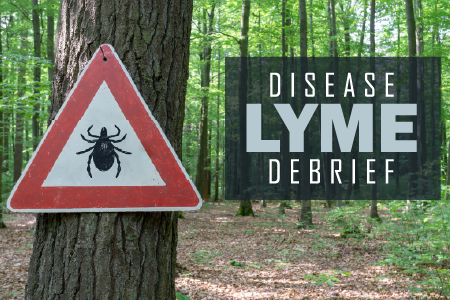
Lyme disease is a bacterial infection caused by Borrelia burgdorferi. It spread through the bite of infected ticks. Ticks attach to any part of the human body but are often found in hard-to-see areas. In most cases, the tick must be attached for at least 24 hours before Lyme disease can be transmitted.
Marburg virus is the causative agent of Marburg virus disease (MVD) formerly known as Marburg haemorrhagic fever. MVD is a zoonotic infection, transmitted from animals to humans. It is a highly virulent disease that causes hemorrhagic fever with an 88% fatality rate. The virus can spread by human-to-human contact with blood, body fluids and by contact with infected body fluid objects.
Dengue is a viral infection caused by the bite of infected Aedes mosquitoes.
In Canada, approximately 200-300 cases of dengue are imported each year. All cases have been among travellers returning from countries where dengue is present.
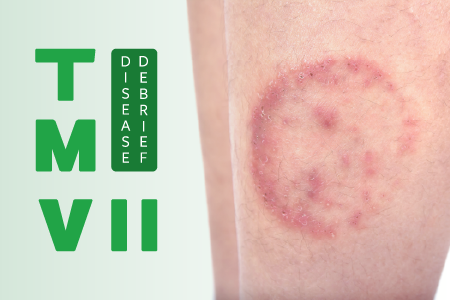
TMVII transmission occurs through direct skin-to-skin contact, including through sexual contact. Additionally, the fungus can spread via contaminated surfaces, clothing, or animal contact. Men who have sex with men have been identified as a key risk group in current outbreaks.
Naegleria fowleri is a type of single-celled organism called a free-living amoeba. It lives in soil and warm freshwater and is distributed worldwide. Naegleria fowleri is generally harmless to humans but can cause a deadly infection called primary amoebic meningoencephalitis (PAM) if it reaches the brain.
Salmonella is a common gastroenteric infection that affects millions of individuals worldwide. Each year in Canada, over 88,000 people are infected with Salmonella. It is one of the top four causes of diarrheal illnesses globally, with cases ranging from mild to severe. More severe infections of Salmonella are rare, but can have life-threatening consequences.
Mpox virus (formerly Monkeypox) is a zoonotic, double-stranded DNA virus, which also includes the variola virus (smallpox), cowpox virus, and vaccinia virus.
Recent research has reclassified the mpox virus into two distinct clades, now officially referred to as Clade I (formerly the Central African or Congo Basin clade) and Clade II (formerly the West African clade).
Shigellosis is an acute, invasive, enteric bacterial infection that affects the digestive system. It is caused by a group of bacteria called Shigella. Symptoms may appear within 1–2 days of encountering Shigella.
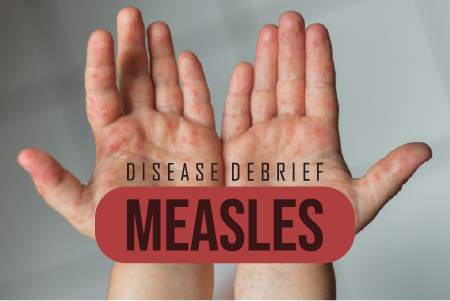
Measles is a single stranded, enveloped RNA virus. The virus can cause a measles infection which starts in the respiratory epithelium of the nasopharynx. Measles is highly contagious. Complications from measles commonly include ear infections and diarrhea.
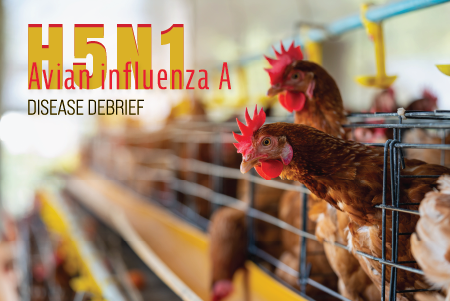
H5N1 AI is a highly pathogenic avian influenza virus that is easily transmitted between birds and is a zoonotic disease (a disease that transmits from animals to people), but it is not well adapted to mammals. There have been reports of possible limited human-to-human transmission, but there has been no evidence of ongoing transmission between people.
Valley fever (also known as coccidioidomycosis) is a lung infection caused by two species of the fungus Coccidioides. The Coccidioides fungus can be found in semiarid soils of the Pacific Northwest and Southwestern United States, Mexico, Central America, and South America.
Congenital syphilis is a sexually transmitted bacterial disease passed from mother to child during pregnancy or birth. When left untreated, syphilis in pregnant women can cause serious health consequences including miscarriage, stillbirth, neonatal death, or birth defects. Congenital syphilis is re-emerging and has risen significantly in recent years. In 2019, for example, there were 53 cases of congenital syphilis, the highest number of cases ever reported in Canada. Case counts have risen significantly since 2019 in the provinces, although numbers for the country as a whole are not yet available.