
Date and time: February 24, 2026 | 1:00 to 2:00 Eastern Time / 12:00 to 1:00 Central Time
Language: English
Synopsis
This presentation explores vector modelling and what it tells us about potential vector range expansion due to climate change. It presents, in response to several vector modelling initiatives that include BC, an overview of several different active and passive tick and mosquito surveillance programs that the BC Centre for Disease Control has been engaged with. These projects include active tick surveillance in the province (field work and ticks off birds), passive tick surveillance in companion animals and mosquito surveillance on Vancouver Island and the Sea to Sky region.
Learning Objectives
- Vector models under climate change.
- Recent active and passive vector surveillance projects that have taken place in BC.
- The need/value of vector surveillance.
Speaker
Stefan Iwasawa
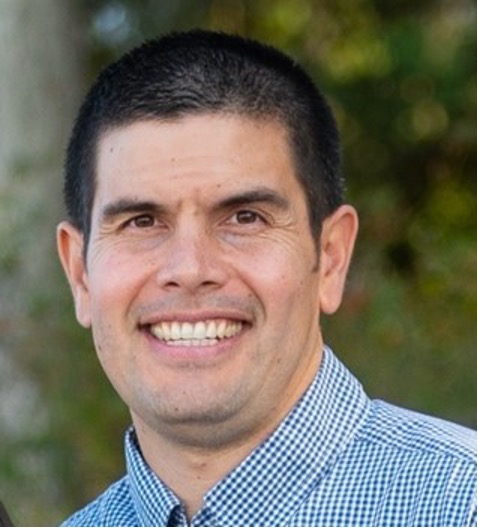
Stefan Iwasawa BSc has been the Vector Specialist at the BC Center for Disease Control for the last two and a half years. Prior to this he was a project coordinator for the Ticks and Climate Change 3-West project that was a One Health initiative funded by the Public Health Agency of Canada focused on the impacts of climate change on tick-borne disease in Alberta, British Columbia and Saskatchewan. For the last 17 years he was also a project coordinator at the Centre for Coastal Health focusing on a diverse range of One Health projects. He got his first taste of tick sampling while on a field school in Belize Central America and took part in several years of West Nile virus surveillance in BC.